
How to Choose the Ideal Custom Cabinets Material for Longevity and Style
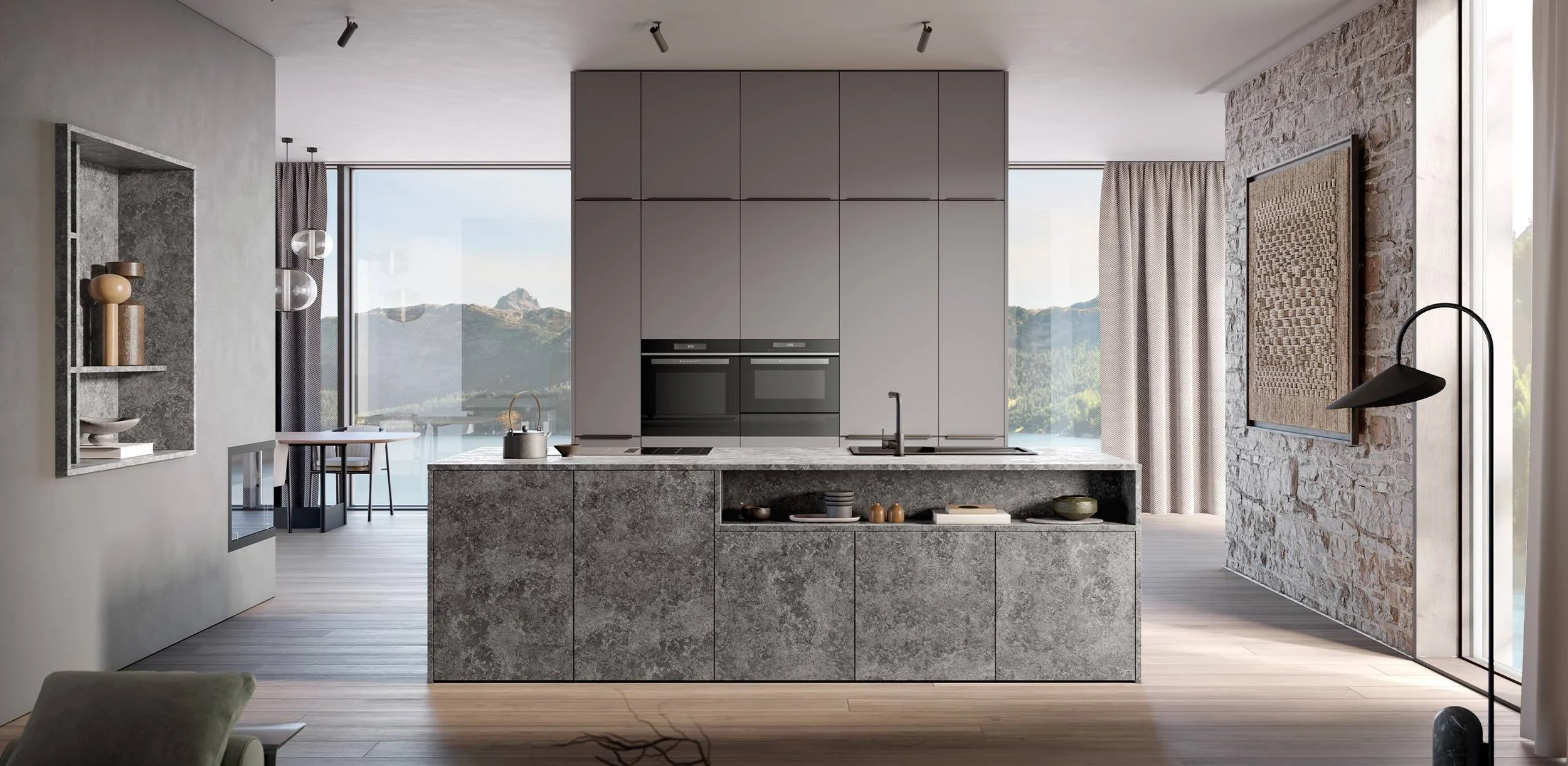
When choosing new kitchen or bathroom cabinetry, it is easy to focus on colour, style and hardware while overlooking one of the most important questions: what are the cabinets actually made of?
But there is an important distinction between the cabinet structure and the cabinet fronts.
In European cabinetry, the cabinet carcass is engineered primarily for stability, durability and precision. The doors and drawer fronts, on the other hand, are where you have much more freedom to choose materials, textures, colours and finishes based on the look you want, how the cabinetry will be used and the budget you have in mind.
At Optimize Interiors, we work with Häcker Kitchens, a German manufacturer whose cabinetry is designed around this combination of engineered construction and a wide range of sophisticated front finishes.
The Cabinet Carcass: Built for Stability and Everyday Use 02 (beside text)
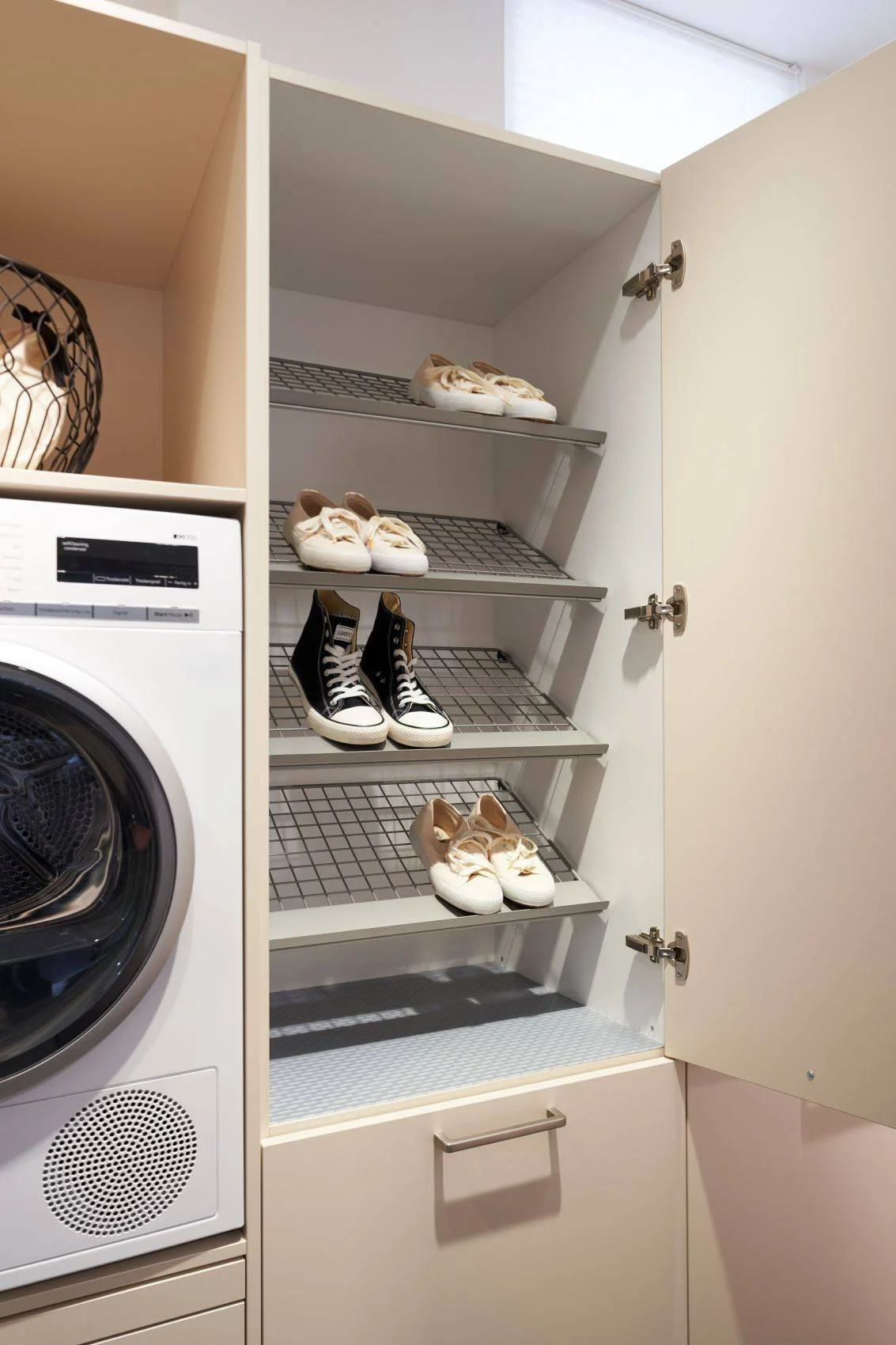
Unlike some North American cabinetry systems that offer plywood as a premium upgrade for cabinet boxes, European manufacturers such as Häcker use melamine-faced particleboard as the standard carcass material.
That is not a compromise in quality. It is a deliberate choice based on the properties of the material and the way the cabinets are manufactured.
The particleboard used in European cabinetry is engineered for cabinet construction, providing a stable and consistent substrate for the highly precise manufacturing process used in modern frameless cabinetry.
Why the Edges Matter
One of the most important details is not necessarily visible when the kitchen is finished: how the edges of the cabinet components are sealed.
At Häcker, all edges of cabinet components are finished with durable edgebanding. This includes the adjustable shelves, which are edged around all sides rather than leaving exposed particleboard.
The edgebanding is bonded using polyurethane (PUR) adhesive, creating a strong bond with excellent resistance to moisture and everyday wear. This is particularly important in areas such as kitchens and bathrooms, where cabinets regularly encounter humidity, spills and cleaning.
Properly sealed edges help prevent moisture from penetrating into the particleboard and help the components maintain their appearance and structural integrity over years of use.
16 mm and 19 mm Construction
European cabinetry also uses different material thicknesses according to the function of each component. In the Häcker system, the vertical cabinet components are 16 mm thick, while horizontal components are 19 mm thick. This is an example of engineering the cabinet around how the individual components actually perform.
The thicker horizontal components provide additional rigidity where it is useful, while the 16 mm vertical construction allows the cabinetry to maintain the clean, efficient proportions associated with European frameless design. The result is a cabinet system that is engineered rather than simply made from the thickest possible material.
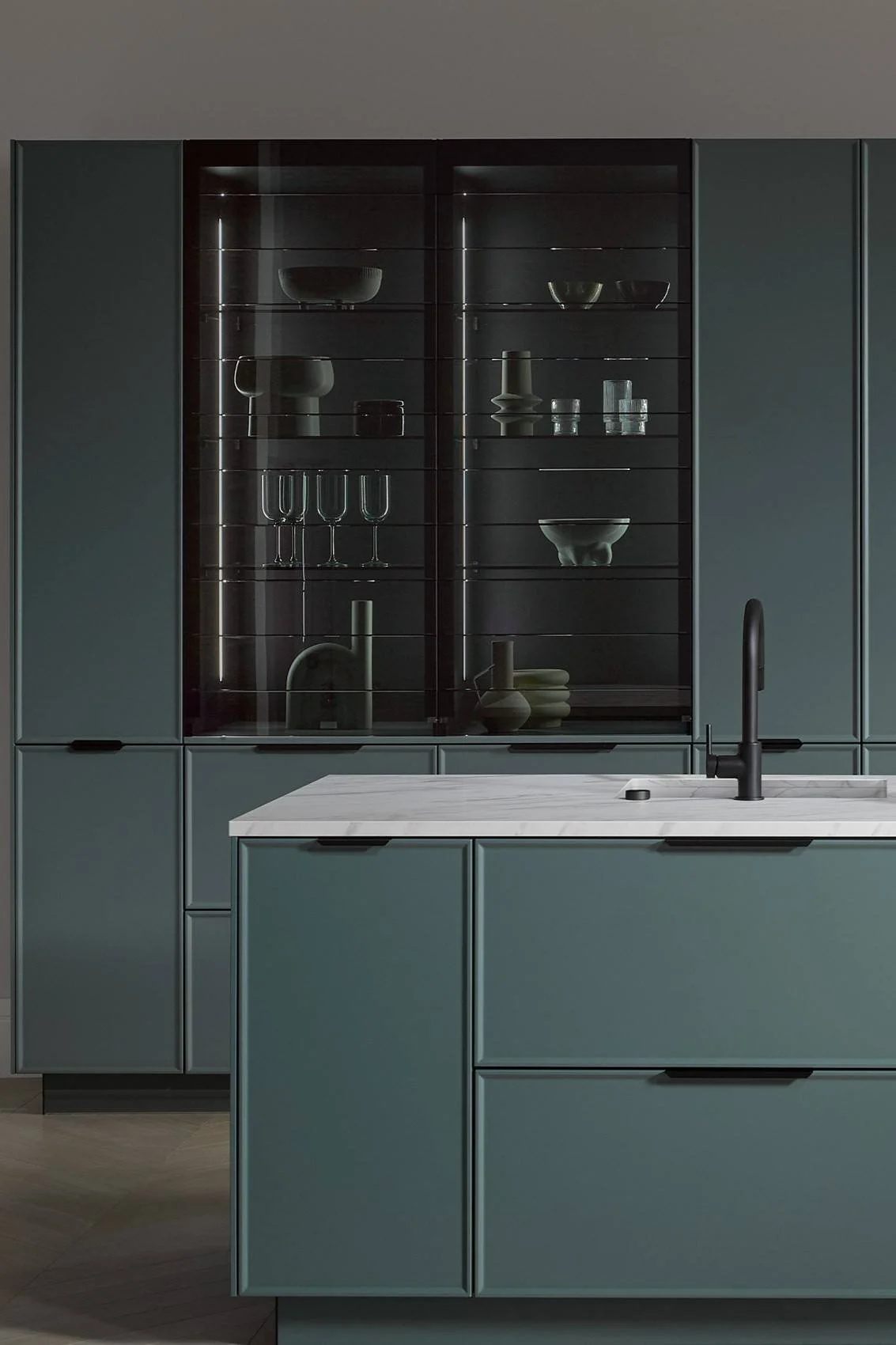
The Fronts Are Where the Look and Price Really Change. Once the cabinet structure is established, the doors and drawer fronts have the biggest influence on the appearance of the finished kitchen.
They also have a significant influence on the price.
This is where there is no single "best" material. The right choice depends on the appearance you want, how the kitchen will be used, how much maintenance you are comfortable with and where you want to position your budget.
Here are some of the most common options. Laminate: Practical, Durable and Budget-Friendly. Laminate fronts are one of the most practical choices for kitchen or bathroom cabinetry.
Modern European laminates are a long way from the basic finishes many people remember from older kitchens. They are available in a wide range of colours, textures and wood-inspired finishes, including sophisticated matte surfaces.
One of their biggest advantages is durability.
Laminate is highly resistant to everyday wear, making it a particularly good choice for busy households, rental properties, secondary kitchens or anyone looking for a hard-working finish without moving into a higher price category.
It is also relatively easy to clean and maintain.
For homeowners who want a contemporary kitchen design and excellent durability while keeping the cabinetry investment under control, laminate is often a very sensible choice.
Thermofoil: A Seamless Look with Some Trade-Offs
Thermofoil is a vinyl film that is heat-formed over an MDF door, allowing the material to wrap around the edges and create a very consistent, seamless appearance. One of its advantages is the wide variety of colours and door styles available. It can also provide a clean painted or contemporary appearance at a relatively accessible price.
Thermofoil is easy to clean and works well in many kitchens and bathrooms. However, it is important to understand its limitations. Because the finish is a film bonded to the substrate, prolonged exposure to excessive heat can eventually cause the material to separate from the core. For that reason, cabinet placement around ovens and other significant heat sources should be considered carefully.
Thermofoil also cannot simply be sanded and refinished if the surface becomes damaged. In most cases, the front would need to be replaced. For the right application and budget, however, thermofoil remains a practical and attractive option.
Real Wood Veneer: Natural Character Without a Solid-Wood Door
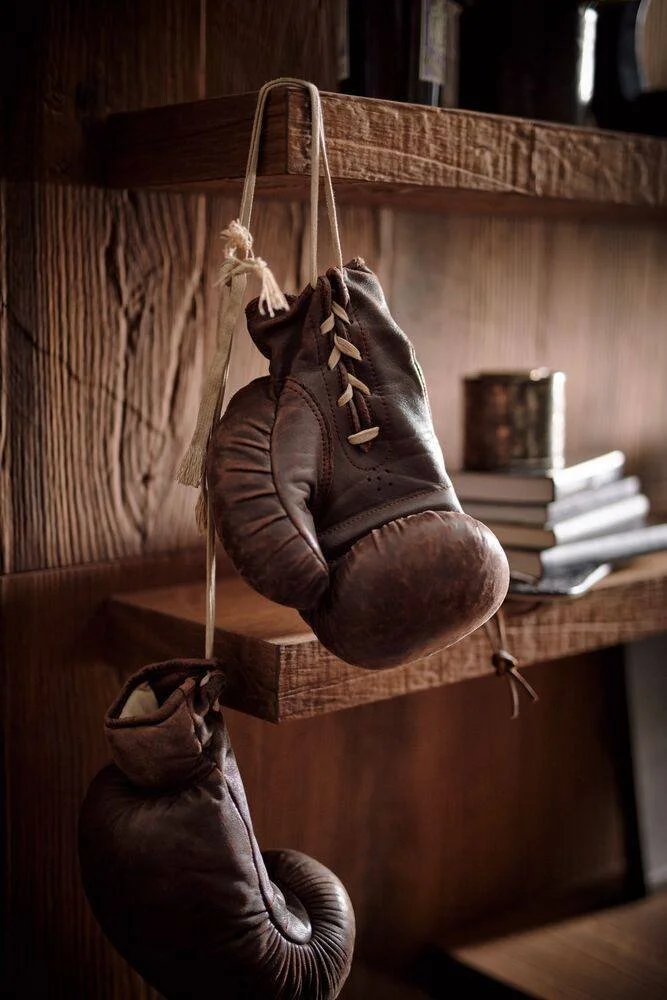
If you want the appearance of real wood, veneer offers a very different experience from laminate or thermofoil.
A real wood veneer uses a thin layer of genuine wood, allowing you to see the natural grain, variation and character of the species.
This makes every kitchen somewhat unique.
Veneer is particularly well suited to modern European kitchens, where the natural character of oak, walnut and other woods can be combined with clean, minimal cabinetry.
It also provides an opportunity to use real wood without constructing the entire door from solid timber.
The trade-off is price. Because veneer uses a natural resource and involves more material selection and finishing, it generally moves the cabinetry into a higher price category than standard laminate options.
For homeowners who want authentic wood character without the look of a heavily traditional solid-wood kitchen, veneer can be an excellent middle ground.
Solid Wood: Natural, Traditional and Premium
Solid wood doors offer the most substantial expression of natural timber.
The grain, variation and feel of genuine wood are difficult to reproduce perfectly with manufactured materials.
Solid wood is particularly popular for Shaker-style doors, traditional kitchens and designs where the natural character of the material is an important part of the aesthetic.
But solid wood also uses more natural resources and requires more material and craftsmanship than many engineered front options.
As a result, it generally occupies a higher price point.
There is also an important practical consideration: natural wood responds to changes in humidity.
That doesn't make solid wood unsuitable for kitchens. It simply means that homeowners should understand that genuine wood is a living material that can experience some movement as environmental conditions change.
For someone who specifically wants the authenticity and character of solid timber, that natural behaviour is often part of the appeal.
05 (beside text) European Front Finishes: Options Beyond the Ordinary
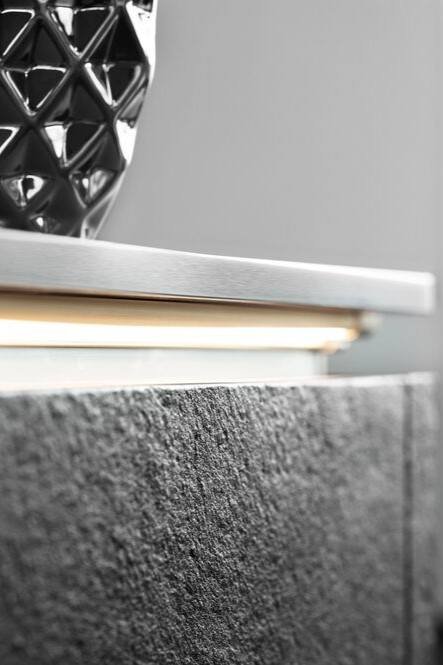
One of the things we find particularly exciting about European cabinetry is the range of finishes available beyond the standard laminate, thermofoil, veneer and painted-door options.
Some of these materials and finishes are not commonly offered by North American cabinet suppliers.
This is where European cabinetry can offer a very different level of design flexibility.
Slate Stone Veneer: A Distinctive Luxury Finish. For a truly sophisticated and architectural appearance, slate stone veneer fronts offer something very different from conventional cabinetry.
The natural stone surface creates depth, texture and variation that cannot be replicated by a standard printed finish.
It can be particularly striking when used selectively as an accent, combined with wood, neutral cabinetry or architectural materials elsewhere in the room.
It is a premium finish designed for homeowners who want their kitchen to make a strong design statement.
Extra-Thick Veneer: Texture You Can Feel
European manufacturers also offer extra-thick veneer fronts that open up design possibilities beyond a conventional flat wood door.
These thicker veneers can be used to create grooved and textured fronts, adding shadow lines and dimension to the cabinetry.
Another option is a brushed wood finish, where the surface is worked to emphasize the natural texture of the timber.
Instead of simply looking like wood, you can actually see and feel the character of the material.
This is one of the advantages of working with a manufacturer that offers a broad European finish collection: the cabinetry can become an architectural element rather than simply a storage system.
Metal-Look Fronts Without the Maintenance of Solid Metal
Another distinctive option is the range of metal-look lacquer fronts available in finishes inspired by materials such as brushed stainless steel or brushed bronze.
These fronts create the sophisticated appearance of metal while using a carefully developed lacquer finish rather than a solid metal door.
The result is a sleek, contemporary surface that works particularly well in modern kitchens.
It is also an example of how European manufacturers use finishing technology to create the visual character of premium materials while maintaining the practicality required for everyday cabinetry.
Smart Glass: High-End Appearance at a More Accessible Price
Smart glass fronts are another interesting European option. These fronts use an MDF core with a thin acrylic layer on both sides, available in attractive metallic and contemporary colours.
The result is a smooth, reflective finish with the visual character of glass and metal without the cost and weight associated with some traditional premium materials. Smart glass is also highly durable and relatively easy to maintain, making it a practical choice for an active kitchen.
For homeowners looking for a high-end appearance without moving all the way into the highest-priced natural materials, it can offer an attractive balance between design, durability and cost.
So Which Cabinet Material Is Right for You?
There is no universal answer.
The best cabinet material depends on three things:
1. The look you want
Do you want a clean contemporary laminate, a painted appearance, natural wood, a textured surface, stone, metal or something more distinctive?
2. How the kitchen will be used
A busy family kitchen, rental property, entertaining space and lightly used secondary kitchen may have very different priorities.
3. Your budget
There is a significant difference between choosing a practical laminate front and selecting natural veneer, solid wood, stone veneer or a specialty European finish.
The important point is that a higher price does not automatically mean a better cabinet for your particular project. A durable laminate may be the smartest choice for one kitchen, while a natural wood veneer or specialty finish may be worth the additional investment in another.
The goal is to put the right material in the right application.
Why European Cabinetry Takes a Different Approach
At Optimize Interiors, one of the reasons we chose to work with Häcker is the combination of engineered cabinet construction and extensive front options.
The cabinet carcass is designed as a precise, stable system, with sealed edges, durable edgebanding and carefully selected component thicknesses. From there, the design becomes much more personal.
You can choose a practical laminate for durability and value, a painted front for a clean and accessible finish, real wood veneer for natural character, solid wood for a more traditional look, or explore specialty European finishes such as stone veneer, textured wood, metal-look lacquer and smart glass.
That flexibility allows us to design the cabinetry around your home, your lifestyle and your budget, rather than forcing every project into the same material specification.
Choosing Cabinets for the Long Term
Good cabinetry is not simply about choosing the most expensive material available. It is about understanding what you are buying. The cabinet structure should provide the stability and durability required for decades of everyday use. The fronts should provide the appearance, texture and performance that fit the way you live.
At Optimize Interiors, we help homeowners navigate those choices using the European cabinetry systems we work with every day. Whether your priority is durability, natural materials, contemporary design, a distinctive architectural finish, or simply getting the most value from your investment, there is a cabinetry solution that can make sense for your project.
The right material isn't necessarily the most expensive one. It's the one that best balances appearance, performance, longevity and budget for the way you actually live.
Request a consultation with Optimize Interiors to explore the cabinetry materials and finishes available for your kitchen or bathroom.