
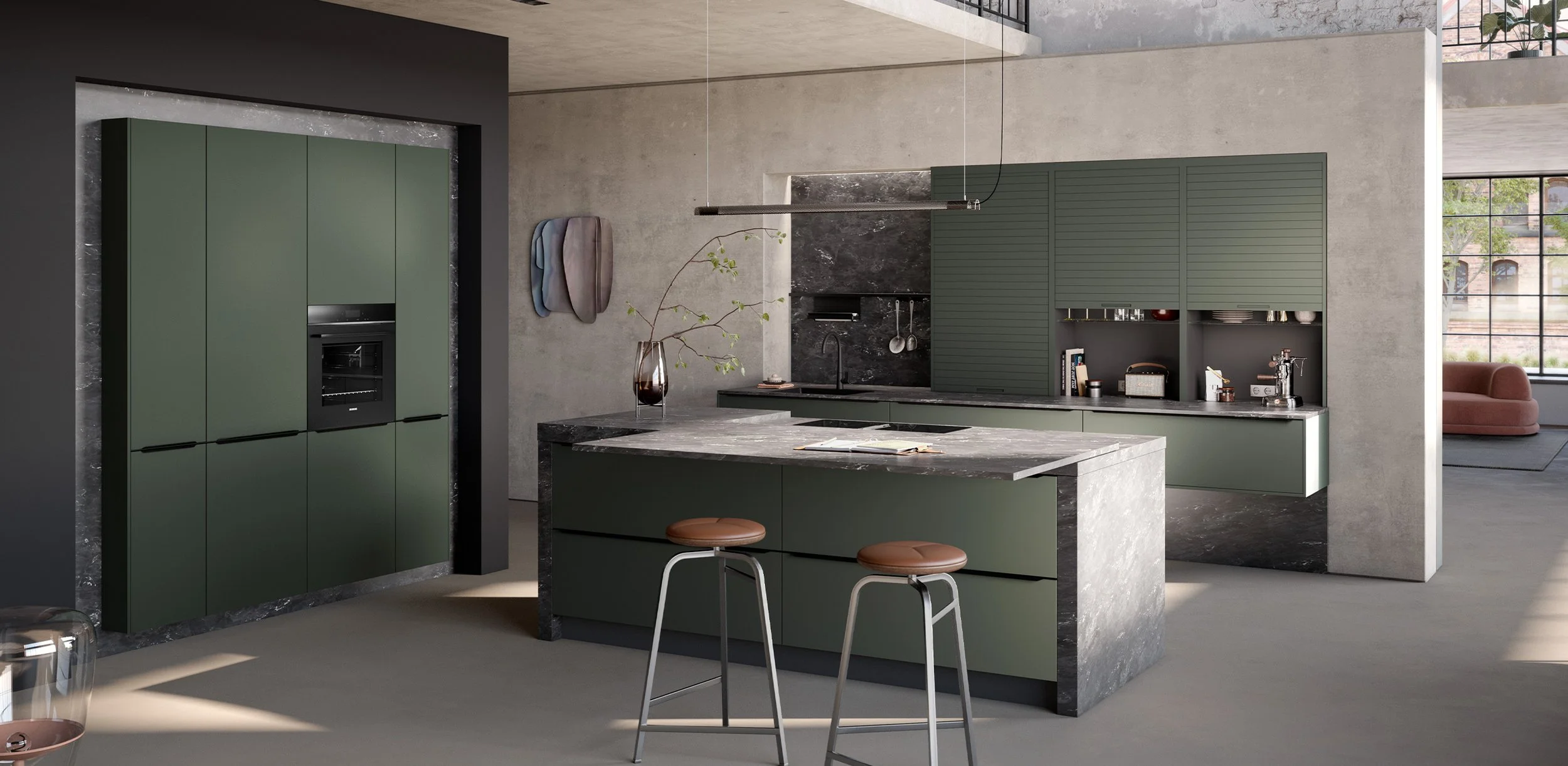
When planning a kitchen or bathroom renovation, the environmental impact of the cabinetry is worth considering. Beyond the appearance and functionality of the finished space, factors such as material selection, manufacturing processes, transportation, packaging and product longevity all play a role.
Choosing well-made cabinetry from a manufacturer with established environmental practices can help reduce material waste, limit emissions and make better use of resources over the long term. For Ottawa homeowners, understanding how and where their cabinets are manufactured is an important part of making an informed decision.
How sustainable materials reduce your kitchen's environmental impact
The materials used in custom cabinetry play an important role in determining the overall environmental footprint of a renovation. Engineered wood products such as particleboard and MDF are widely used in modern cabinetry because they make efficient use of wood resources and provide consistent, stable surfaces. However, the adhesives used in these products can release formaldehyde, making emission standards an important consideration.
Formaldehyde emissions vary depending on the materials and manufacturing processes used. Certifications and emission standards such as CARB Phase 2 and TSCA Title VI help ensure that composite wood products meet strict limits for formaldehyde emissions.
Responsible wood sourcing is another consideration. FSC-certified wood comes from forests managed according to environmental and social standards designed to protect biodiversity and support responsible forestry practices. PEFC certification provides another recognized framework for sustainable forest management. These certifications help homeowners make more informed decisions about the origin of the wood used in their cabinetry.
Finishes also contribute to the environmental impact of cabinetry. Water-based lacquers and low-VOC finishes can reduce the release of volatile organic compounds (VOCs) compared to traditional solvent-based products. This is particularly relevant for indoor environments such as kitchens, where families spend a considerable amount of time.
Adhesives and edge treatments are equally important. Modern manufacturing technologies allow manufacturers to reduce formaldehyde emissions while maintaining the strength and durability required for everyday use. Häcker, for example, has developed its PURemission system to reduce formaldehyde emissions from its wood-based materials.

European manufacturing standards that prioritize environmental responsibility
The environmental impact of cabinetry goes beyond the materials themselves. How those materials are sourced, processed and assembled also makes a significant difference.
The German manufacturer Häcker Kitchens has invested in environmental management, energy efficiency, and responsible resource use throughout its manufacturing operations.
Rather than relying solely on general environmental claims, it is worth looking at some of the actual measures implemented at its production facilities.
These include environmental and energy management systems, efficient use of manufacturing materials, waste reduction and recycling initiatives. Häcker has maintained an environmental management system since 2009 and an energy management system since 2014. Source: Häcker Sustainability Report 2023
Its wood-based materials meet CARB Phase 2 and TSCA Title VI requirements for formaldehyde emissions, while its PURemission technology further reduces emissions from composite wood products.
Manufacturing efficiency also plays an important role. Modern production facilities can optimize material usage, reduce offcuts and reuse suitable production waste. For example, wood residues can be processed into heating materials rather than simply being discarded.
The longevity advantage that reduces renovation waste
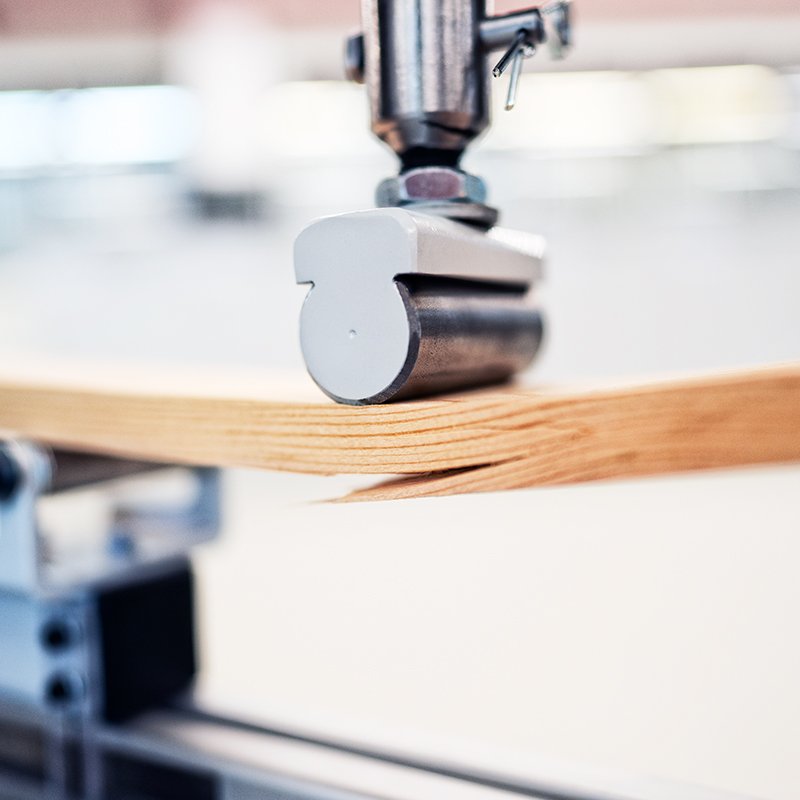
Durability is one of the most important, yet often overlooked, aspects of sustainable cabinetry.
Cabinets that are well constructed and designed for everyday use can remain functional for many years. Choosing quality materials, reliable hardware and durable finishes can reduce the likelihood of premature replacement and the waste associated with repeated renovations.
This is particularly important when considering the overall environmental impact of a kitchen. Replacing cabinetry involves more than manufacturing new cabinets. It also means removing and disposing of existing materials, transporting replacements and carrying out additional installation work.
Well-designed cabinetry can also accommodate changes over time without requiring a complete replacement. Individual doors, drawer fronts, hinges and drawer systems can often be replaced or serviced independently.
Modular construction makes this approach particularly practical. If a component becomes damaged or a homeowner wants to update the appearance of a kitchen, individual elements can sometimes be replaced while keeping the existing cabinet structure.
The quality of hardware, hinges and drawer systems also matters. Reliable components that can be adjusted, maintained or replaced individually help extend the useful life of the entire kitchen.
In the long run, choosing cabinetry that is built to last can be a more responsible use of resources than repeatedly replacing lower-quality products.
Local benefits and the environmental impact of transportation

Choosing to work with an Ottawa-based design and installation team creates practical advantages throughout the renovation process. Local knowledge, efficient project coordination and fewer unnecessary site visits can help reduce transportation requirements during installation.
However, the environmental impact of cabinetry transportation begins long before the cabinets arrive at your home.
While premium cabinetry components may originate in Europe, this is not unique to European manufacturers. Many North American cabinetry suppliers also rely on European hardware, components and sheet materials, which they source from different manufacturers and distributors.
The difference lies partly in how these materials are sourced and transported. With a manufacturer like Häcker, more than 50% of its suppliers are within a 50 km radius of its production facilities. This creates opportunities for a more consolidated and efficient supply chain, with materials coming together at one manufacturing location before finished kitchens are shipped in optimized container loads. Source: Häcker Sustainability Report 2023
By comparison, sourcing European components through multiple North American suppliers can involve additional international shipments, handling and distribution. Depending on the sourcing and transportation arrangements, this can increase the overall transportation-related environmental footprint.
Working with a local team that maintains direct relationships with established European manufacturers also helps streamline the process, combining the benefits of local service with the efficiencies of a well-organized international supply chain.
Good design also starts with understanding the home. From century homes in the Glebe to newer developments in Kanata, our team works with homeowners across Ottawa, considering the character, layout and existing structure of each property. Making the most of the available space and working with the home's existing features can help avoid unnecessary structural changes, material waste and additional renovation work.
Packaging is another important consideration
Packaging is often overlooked when comparing the environmental impact of different cabinetry manufacturers.
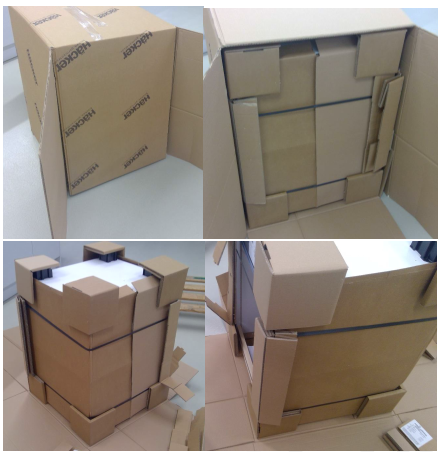
Häcker uses cardboard-based protective packaging for its cabinets, doors and panels, reducing the need for traditional foam and plastic packaging materials. According to the manufacturer's sustainability reporting, more than 92% of its packaging materials consist of cardboard. Source: Häcker Sustainability Report 2023
This makes much of the packaging easier to recycle and reduces reliance on materials that can be more difficult to reuse or dispose of responsibly.
Considering packaging alongside manufacturing and transportation provides a more complete picture of the environmental impact of the cabinetry being installed.
Frequently asked questions about eco-friendly custom cabinets
What certifications should I look for when choosing sustainable cabinets?
Several certifications and standards can help homeowners evaluate cabinetry materials and manufacturing practices.
FSC and PEFC certifications relate to responsible forest management and wood sourcing.
CARB Phase 2 and TSCA Title VI establish limits for formaldehyde emissions from composite wood products.
GREENGUARD certification focuses on chemical emissions from products and materials, including their contribution to indoor air quality.
European manufacturers may also hold additional environmental certifications, such as the Blue Angel ecolabel.
It is important to understand what each certification covers, as they address different aspects of environmental performance.
Do eco-friendly cabinets cost significantly more than conventional options?
Not necessarily. The cost of cabinetry depends on several factors, including materials, construction methods, finishes, hardware, customization, and the manufacturer.
Some environmental features, such as low-emission materials and efficient manufacturing processes, are already standard practices among established European cabinetry manufacturers.
While premium cabinetry may have a higher initial purchase price than basic alternatives, durability, repairability and the expected lifespan should also be considered when evaluating the overall investment.
Can I make my existing cabinets more environmentally friendly?
Yes. Keeping existing cabinetry rather than replacing it can be one of the most effective ways to reduce renovation waste.
If the cabinet boxes remain structurally sound, refacing or refinishing them can extend their useful life. Replacing doors and drawer fronts while retaining the existing cabinet structures may also provide a significant visual update without requiring a complete replacement.
Low-VOC finishes are worth considering when refinishing existing cabinetry.
Working with a custom millwork specialist can help you determine whether refacing makes sense for your particular kitchen or whether replacing the existing cabinetry is the more practical option.
Making sustainable choices that work beautifully
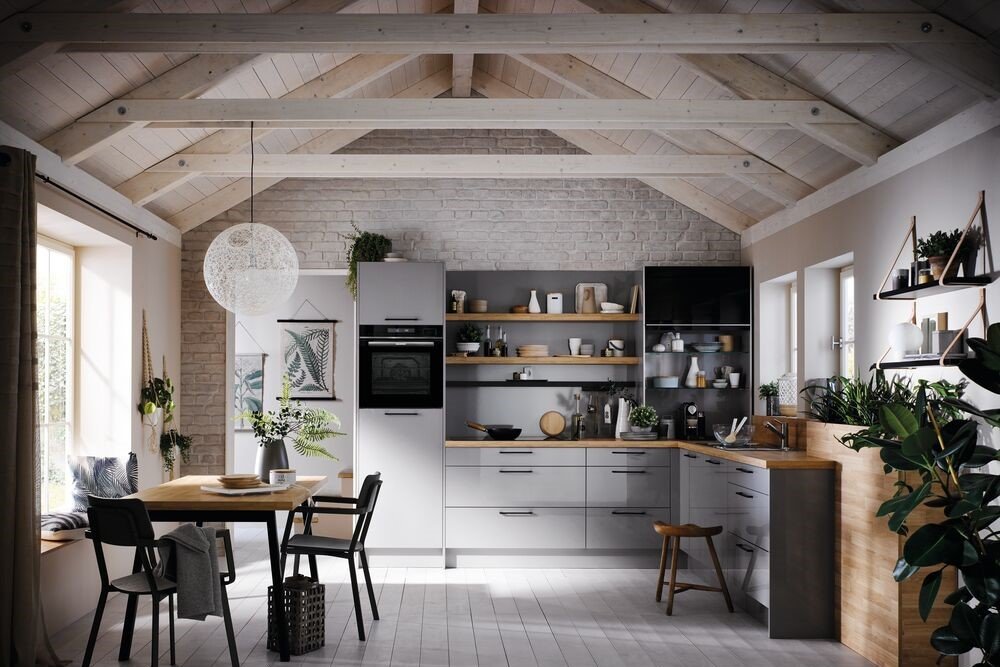
Making more sustainable choices when renovating doesn't necessarily mean compromising on design, quality or functionality. It means looking beyond the finished appearance and considering the materials, manufacturing processes, transportation, packaging and expected lifespan of the products you choose.
At Optimize Interiors, we combine local Ottawa design and installation expertise with German-made Häcker Kitchens. This allows us to offer homeowners cabinetry manufactured with a focus on material efficiency, reduced emissions, responsible sourcing and long-term durability.
Whether you're planning a new kitchen, bathroom or custom cabinetry project, understanding the manufacturing practices behind your choices is an important part of making an informed decision.
Our team can help you explore material selections, finishes and design options for your home.

Contact Optimize Interiors to learn more about our cabinetry and design services.
